Welcome to Samreex

The Ultimate Guide to Waterproof Tactical Backpacks: What You Need to Know Before Buying
If you’ve ever found yourself searching for a backpack that can handle downpours, river crossings, or simply the unpredictability of the outdoors, you’ve likely come across the term “waterproof tactical backpack.” But what exactly makes a backpack “waterproof”? And more importantly, how do you choose the right one for your needs?
In this comprehensive guide, we’ll break down everything you need to know about waterproof tactical backpacks—from what sets them apart to how to choose the right model for your activities. And if you’re looking for a reliable manufacturing partner, Shenzhen Zhongke Shangyu Company Limited is here to deliver quality tactical gear that professionals trust.
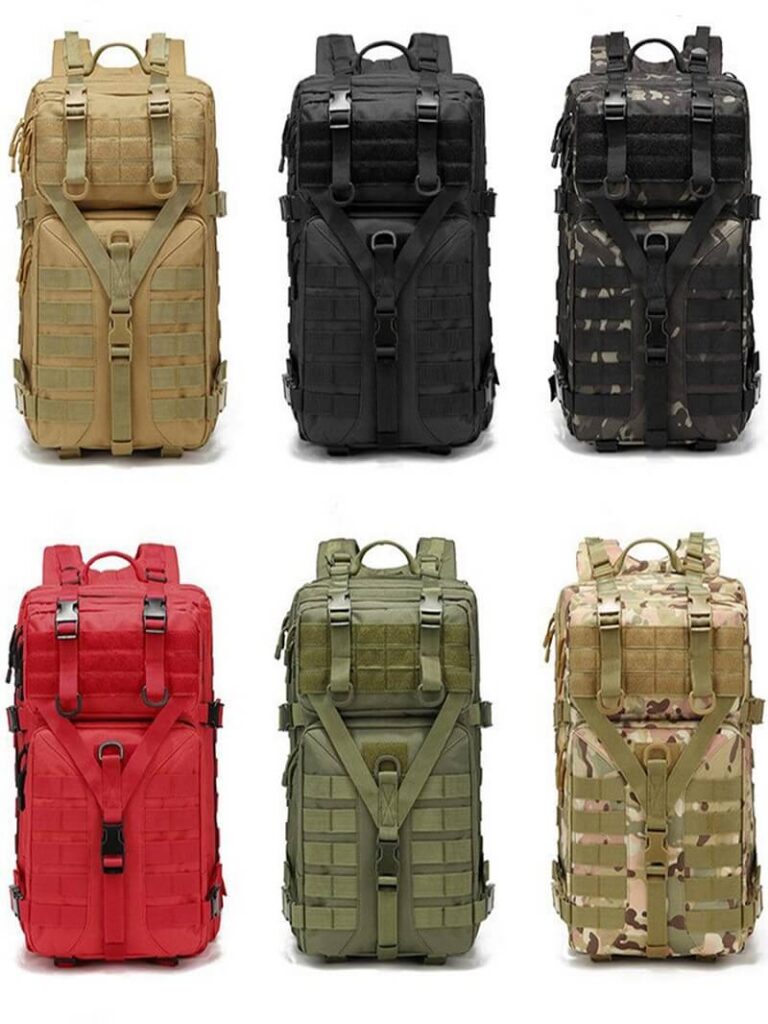
What Is a Waterproof Tactical Backpack?
A waterproof tactical backpack is a purpose-built pack designed to completely prevent water from penetrating its interior, even under prolonged exposure, heavy rain, or submersion. Unlike standard backpacks that may offer only basic water resistance, truly waterproof tactical backpacks are engineered with specialized materials, sealed seams, and watertight closures to keep your gear bone-dry in the harshest conditions.
Tactical backpacks are more than just bags—they are essential tools for professionals and enthusiasts who demand reliability, durability, and practicality. From military personnel navigating extreme environments to law enforcement officers needing secure, functional storage, and outdoor adventurers braving unpredictable weather, tactical backpacks play a critical role in protecting gear and ensuring operational efficiency.
Waterproof vs. Water-Resistant: What’s the Difference?
This is one of the most frequently asked questions—and for good reason. The terms are often used interchangeably, but they represent very different levels of protection.
Water-Resistant: A water-resistant backpack can withstand light moisture for a limited time. It will shed light rain, snow, or splashes, but under sustained downpour or submersion, water will eventually penetrate. Most tactical backpacks on the market, including many high-quality ones, fall into this category. Water resistance is typically achieved through DWR (Durable Water Repellent) coatings that cause water to bead up and roll off the surface.
Waterproof: A truly waterproof backpack creates a complete barrier against water ingress. It is designed to prevent water from entering even when fully submerged for a defined period, or under intense water pressure. Waterproof backpacks employ materials such as PVC, TPU-coated nylon, or high-denier ripstop fabric with welded or heat-sealed seams.
The key promise of a waterproof backpack is simple: no water gets in. Everything inside stays bone dry, whether you’re caught in a downpour, wading through rivers, or accidentally dropping your pack in a lake.
Why Choose a Waterproof Tactical Backpack?
Tactical backpacks don’t strictly need to be waterproof, but there are strong reasons why waterproofing is highly valued:
Protecting Sensitive Gear: Tactical backpacks often carry electronics (radios, GPS, laptops, cameras), documents, maps, survival gear, and sometimes ammunition or weapons. Water can ruin electronics, make documents unreadable, or even compromise ammunition.
Outdoor and Military Environments: These backpacks are frequently used in rain, snow, river crossings, humid or swampy areas, and rapid-response situations where time is critical.
Durability and Longevity: Even if you’re not carrying electronics, water can weaken stitching and fabrics over time, cause mold or mildew, and make the pack heavier if materials absorb water.
Comfort and Practicality: A wet bag is heavier to carry, cold against your back, and harder to organize if internal pockets get soaked.
Key Features of a Truly Waterproof Tactical Backpack
When shopping for a waterproof tactical backpack, here’s what you should look for:
1. Sealed Seams
This is the most critical differentiator. Seams are either heat-welded or taped, completely covering the stitch holes. Without this, a “waterproof” fabric is compromised at every seam. Fully welded or taped seams ensure no water can enter through stitching lines.
2. Waterproof Zippers
Standard zippers have gaps between the teeth where water can seep through. Waterproof zippers feature a sealed track behind the teeth, preventing water ingress even under pressure. They are more expensive and can be less smooth to operate than standard zippers, but they are essential for true waterproofing.
3. Waterproof Materials
Common waterproof materials include PVC, TPU-coated nylon, and high-denier ripstop fabric. Thermoplastic polyurethane (TPU) or PVC coatings provide a durable, waterproof exterior. Materials determine approximately 70% of a tactical bag’s durability and waterproof performance.
4. Roll-Top or Submersible Closures
Designs that eliminate zippers altogether, using a roll-and-clip system similar to dry bags, offer the most reliable waterproof closure. These are less common and often more expensive, but they provide the highest level of protection.
5. Minimal Stitching
Truly waterproof backpacks have minimal stitching to minimize any chance of seepage. Some manufacturers utilize Ultrasonic Welding (or RF Welding) to fuse pieces of cloth together, creating an area with no holes or stitches for water to enter.
Frequently Asked Questions About Waterproof Tactical Backpacks
Are tactical backpacks waterproof?
Most tactical backpacks are water-resistant, not fully waterproof. They can handle light rain, splashes, or snow, but water can eventually get in during heavy rain or submersion. Only specialized models with sealed seams, waterproof zippers, or roll-top closures are truly waterproof.
Why aren’t most tactical backpacks fully waterproof?
Tactical backpacks focus on durability and functionality—lots of pockets, zippers, and MOLLE webbing. These features create stitching holes and zipper gaps where water can seep in. Fully sealed designs are also less breathable and practical for everyday use. Manufacturers typically go for water-resistant coatings and tough fabrics rather than full waterproof sealing.
When should I choose a waterproof backpack over a water-resistant one?
For everyday use, commuting, or hiking in moderate conditions, a water-resistant tactical backpack is usually sufficient. But if you’ll be operating in heavy rain, carrying critical gear, or working in wet environments like kayaking or amphibious missions, look specifically for waterproof-rated packs.
Can I make my tactical backpack waterproof?
Yes. You can add a rain cover over your pack, use dry bags inside to protect critical gear, or reapply DWR treatments to maintain water resistance. However, these are workarounds—not replacements for a truly waterproof backpack.
How do I maintain my waterproof tactical backpack?
Over time, water-resistant coatings can wear off. Reapply DWR treatment every 3–6 months or after heavy rain exposure. For compromised waterproof seams, use seam sealant or seek professional repair services. Always check the care label and avoid machine washing unless specified.
How to Choose the Right Waterproof Tactical Backpack
With so many options on the market, choosing the right backpack can feel overwhelming. Here’s a simple framework to guide your decision:
1. Assess Your Environment: Will you be in urban settings with occasional rain, or wet environments like rivers, swamps, or maritime operations? Your answer will determine whether water resistance or true waterproofing is required.
2. Consider Your Gear: Are you carrying sensitive electronics, documents, or ammunition? If so, prioritize true waterproofing.
3. Evaluate Weight and Mobility: Waterproof backpacks are often heavier and less breathable than water-resistant ones. If weight is a critical factor, consider whether you can compromise on protection.
4. Check the Construction: Look for sealed seams, waterproof zippers, and quality materials like TPU-coated nylon or PVC. These features determine how well your backpack will perform in real-world conditions.
5. Look for MOLLE Compatibility: If you need to attach additional pouches or gear, ensure the backpack features MOLLE webbing for modular customization.
Waterproof tactical backpacks have evolved from simple gear carriers into sophisticated systems that protect lives and mission-essential equipment. Understanding the difference between water resistance and true waterproofing is the first step toward making an informed decision. The key is choosing a backpack that matches your specific environment, gear requirements, and activity level.
From sealed seams and waterproof zippers to durable TPU-coated materials and roll-top closures, the best waterproof tactical backpacks are built to last. And when you choose a manufacturer like Shenzhen Zhongke Shangyu Company Limited, you’re choosing quality that you can rely on, mission after mission, adventure after adventure.
Ready to upgrade your gear? Explore what Shenzhen Zhongke Shangyu has to offer—and experience the difference that true tactical craftsmanship makes.