Welcome to Samreex

The Ultimate Guide to Plate Carrier Tactical Vests: What You Need to Know Before Buying
If you’ve ever found yourself searching for body armor that balances protection with mobility, you’ve likely come across the term “plate carrier tactical vest.” But what exactly is a plate carrier, and how is it different from a bulletproof vest or a tactical vest? More importantly, how do you choose the right one for your needs?
In this comprehensive guide, we’ll break down everything you need to know about plate carrier tactical vests—from what they are and how they work to how to choose the right size and maintain your gear. And if you’re looking for a reliable manufacturing partner, Shenzhen Zhongke Shangyu Company Limited is here to deliver quality tactical equipment that professionals trust.
What Is a Plate Carrier Tactical Vest?
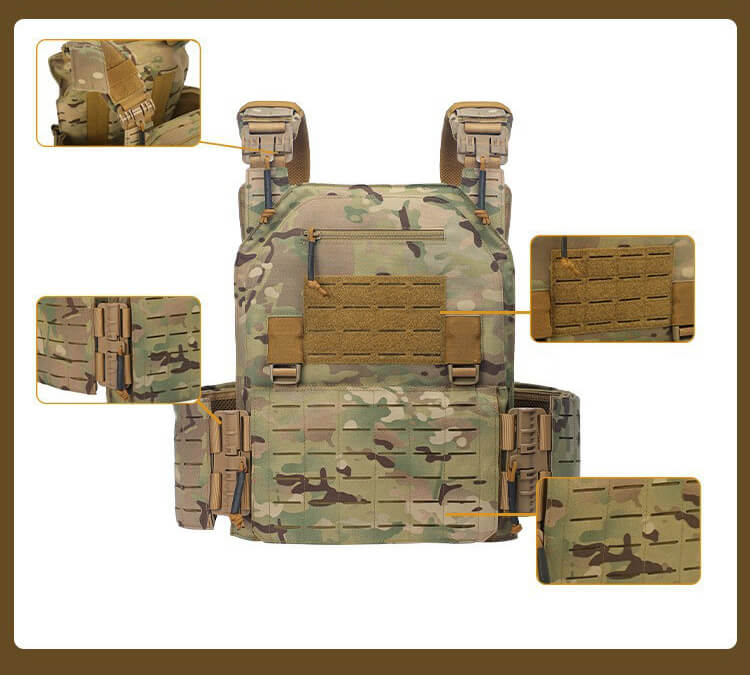
A plate carrier tactical vest is a specialized piece of body armor designed to hold ballistic plates. Unlike traditional bulletproof vests that rely on soft armor panels, plate carriers are built to integrate rigid armor plates—typically made from ceramic, steel, or composite materials—that protect vital organs from high-velocity threats including rifle rounds and shrapnel.
At its simplest, a plate carrier is a fabric vest with front and back pockets (plate bags) sewn in to hold armor plates. But modern plate carriers are far more than just plate holders. They are modular tactical platforms that feature MOLLE (Modular Lightweight Load-carrying Equipment) webbing, allowing users to attach magazine pouches, medical kits, communication devices, and other mission-critical gear. The primary components of a plate carrier include the front and rear plate bags, adjustable shoulder straps, and a cummerbund that wraps around the torso to stabilize the carrier.
Plate carriers are commonly used by military personnel, law enforcement officers, SWAT teams, security professionals, and trained civilians operating in environments where ballistic protection is required. Use cases range from tactical response and patrol to training and preparedness.
Plate Carrier vs. Bulletproof Vest: What’s the Difference?
This is one of the most frequently asked questions—and for good reason. While both provide ballistic protection, they serve very different purposes:
Protection Level: A bulletproof vest typically uses soft armor (such as Kevlar) designed to protect against handgun rounds. A plate carrier, on the other hand, is built to hold hard armor plates that can stop rifle rounds, including 7.62mm ammunition and armor-piercing threats.
Coverage: Bulletproof vests provide protection to the entire torso. Plate carriers only protect the areas where the armor plates are located—typically the front and back of the chest. Some carriers also offer side plate pockets for 360-degree protection.
Weight and Comfort: Soft armor vests are generally lighter and more flexible, making them more comfortable for extended everyday wear. Plate carriers are heavier due to the rigid plates but offer superior protection against high-level threats.
Modularity: A plate carrier is not just armor—it’s a load-bearing system. With MOLLE integration, users can configure their gear based on mission requirements. Bulletproof vests typically focus on protection alone.
Plate Carrier vs. Chest Rig: Which One Do You Need?
Another common point of confusion is the difference between a plate carrier and a chest rig. The key distinction lies in their primary functions: plate carriers are centered on protection, whereas chest rigs focus on mobility.
Chest Rigs do not include ballistic plates. They are lightweight, breathable units designed to carry magazines, radios, and other essentials—offering no ballistic protection. They are ideal for situations where speed, mobility, and comfort are the top priorities.
Plate Carriers combine the gear-carrying capability of a chest rig with ballistic protection by incorporating armor plates. They are essential for security or combat scenarios where rifle-rated protection is required.
How to Choose the Right Plate Carrier Tactical Vest
With so many options on the market, choosing the right plate carrier can feel overwhelming. Here’s what to look for:
1. Plate Compatibility
Plate carriers are sized by the size of the plate they carry. The most common sizes are:
- Small plates: Approximately 8” x 10”
- Medium plates: Typically 10” x 12” – the most common size for average adults
- Large plates: 11” x 14” or more
Pro tip: Never size the vest to your body alone; match your carrier to the plates, and the plates to your vital coverage area.
2. Proper Fit
A properly fitted plate carrier should sit high on your chest, with the front panel resting just below your collarbone. The top edge of the front plate should sit on the upper sternum, approximately at the level of the jugular notch. It should be snug enough to stay in place during movement without bouncing, but not so tight that it restricts deep breathing.
To determine the correct size, measure vertically from your sternal notch (the base of your throat) to 1–2 inches above your belly button—this is the ideal height your front plate should cover. Then measure horizontally from one nipple to the other to determine the proper plate width.
3. Material and Durability
Most high-quality tactical plate carriers are made from durable nylon—typically 500D or 1000D Cordura. 1000D nylon offers exceptional durability and abrasion resistance in high-stress environments. Look for features like reinforced stitching, YKK zippers, and Duraflex buckles.
4. MOLLE System
Modern plate carriers feature MOLLE webbing across the front, back, and often the cummerbund. This system enables you to attach pouches and accessories exactly where you need them, allowing you to configure your carrier based on mission type.
5. Adjustability
Look for adjustable shoulder straps and cummerbund systems that allow you to achieve a personalized fit. Adjustable carriers accommodate various body types, armor plates, and gear configurations, providing comfort and flexibility.
Frequently Asked Questions About Plate Carrier Tactical Vests
Can I wear a plate carrier every day?
While plate carriers are designed for tactical and high-risk environments, lightweight, low-profile models can be worn for extended periods. However, most users reserve them for training, duty, or emergency preparedness rather than daily casual wear due to their weight and bulk.
How much does a plate carrier weigh?
An empty plate carrier typically weighs around 2.3 lbs. However, with Level III or Level IV plates installed, a complete tactical vest with plates can weigh between 15 to 30 pounds, depending on the type of armor and additional gear attached.
What protection levels are available?
Plate carriers can accommodate plates rated at different NIJ levels:
- Level III: Designed for high-powered rifle rounds such as those from an AK-47
- Level IV: Offers the highest protection against armor-piercing rounds
Are plate carriers waterproof?
Most quality plate carriers are made from water-resistant nylon and feature a DWR (Durable Water-Repellent) finish that sheds light moisture. However, they are typically water-resistant rather than fully waterproof.
How do I clean my plate carrier?
Never wash your plate carrier in a washing machine, never put it in a dryer, and never use bleach or harsh chemicals. Always remove armor plates and all accessories before cleaning. Spot-clean using a soft cloth and mild detergent mixed with water. For heavier soiling, hand wash in lukewarm water with mild soap.
Can civilians buy plate carriers?
Yes, plate carriers are widely available for civilian purchase. However, they should be selected and used responsibly based on threat assessment and legal considerations.
Plate carrier tactical vests have evolved from simple plate holders into sophisticated modular systems that protect lives while carrying mission-essential gear. Understanding the differences between plate carriers, bulletproof vests, and chest rigs is the first step toward making an informed decision. The key is choosing a carrier that fits properly, matches your protection needs, and offers the modularity to adapt to your specific requirements.
From material quality and plate compatibility to adjustability and MOLLE integration, the best plate carriers are built to last. And when you choose a manufacturer like Shenzhen Zhongke Shangyu Company Limited, you’re choosing quality that you can rely on, shift after shift, mission after mission.
Ready to upgrade your gear? Explore what Shenzhen Zhongke Shangyu has to offer—and experience the difference that true tactical craftsmanship makes.