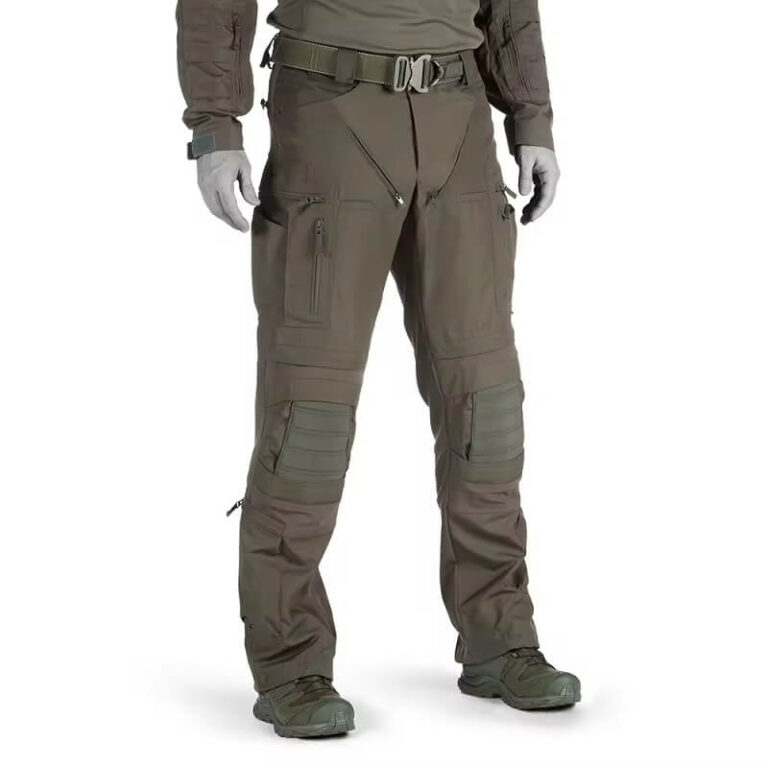
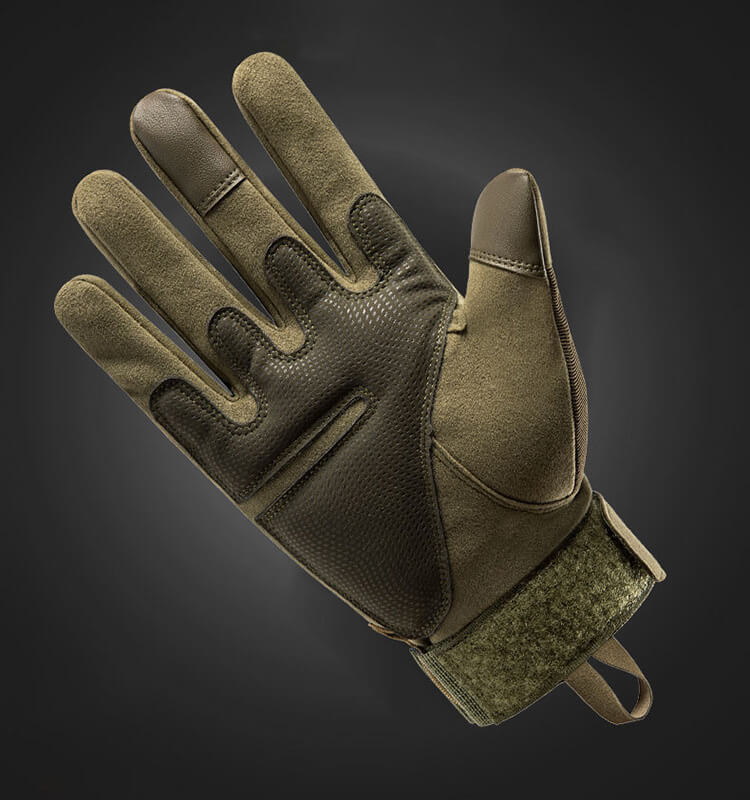
Welcome to Samreex

The Ultimate Guide to Men‘s Tactical Clothes: What You Need to Know Before Buying
If you’ve ever found yourself searching for clothing that can handle demanding outdoor conditions, physically intensive work, or simply a lifestyle that doesn’t slow down, you’ve likely come across the term “tactical clothes for men.” But what exactly makes a piece of clothing “tactical”? And more importantly, how do you choose the right gear for your needs?
In this comprehensive guide, we’ll break down everything you need to know about men‘s tactical clothes—from what sets them apart to how to choose the right pieces for your lifestyle. And if you’re looking for a reliable manufacturing partner, Shenzhen Zhongke Shangyu Company Limited is here to deliver quality tactical gear that professionals trust.
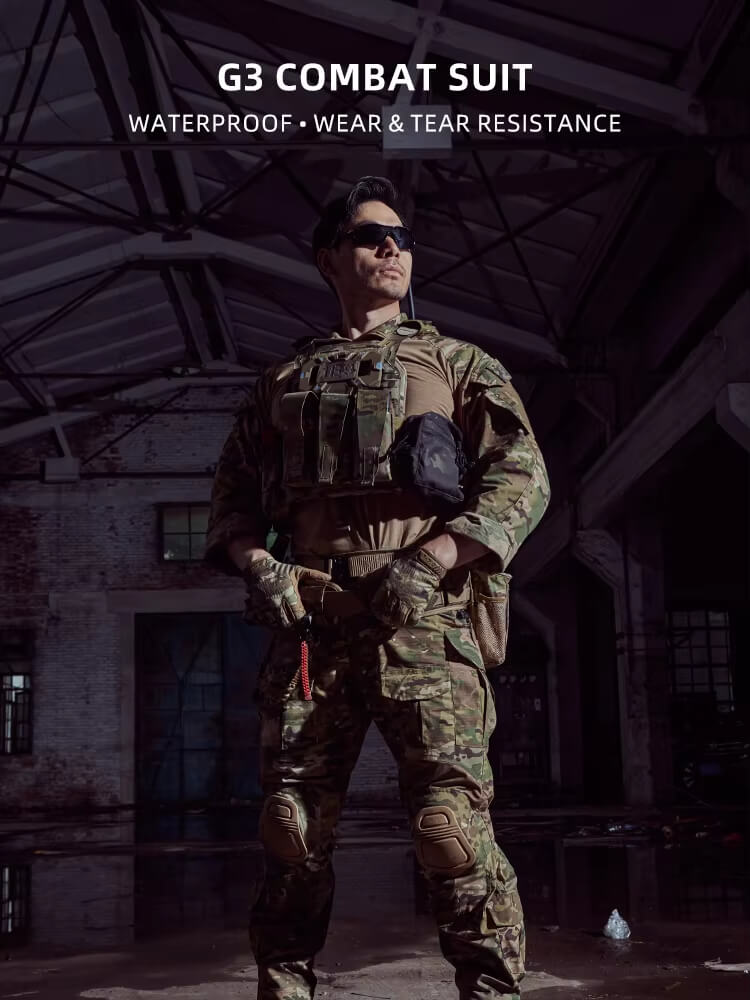
What Are Tactical Clothes for Men?
Tactical clothing refers to garments specifically designed to be functional, durable, and movement-friendly. Unlike standard apparel you might find at a department store, tactical clothing is engineered around operational requirements that consumer clothing does not address. It is typically designed for military or law enforcement personnel but has increasingly become popular among civilians who need clothing that works as hard as they do.
The word “tactical” often brings to mind images of bulky cargo pants covered in unnecessary straps and pockets. Many people mistakenly believe that more pockets equal better function. But true tactical design isn‘t about looking like a soldier—it’s about solving real-world problems for the modern professional and adventurer. Think about the friction points you encounter daily: the way your multi-tool shifts and digs into your leg during a long hike, the sagging pocket that can‘t handle the weight of your tools, or the chafing from a poorly placed seam after hours of movement. Modern tactical clothes are engineered to eliminate these issues.
Tactical clothes are commonly used by military personnel, law enforcement officers, security professionals, outdoor enthusiasts, and increasingly, everyday guys who simply appreciate apparel that offers superior durability, storage, and comfort.
What Makes Tactical Clothes Different from Regular Clothes?
This is one of the most frequently asked questions—and for good reason. While tactical clothes and regular clothes might look similar at first glance, the differences run deep:
Purpose and Philosophy: Unlike regular clothing, which focuses on style and everyday comfort, tactical gear prioritizes performance and utility, making it essential for professionals in high-stress roles. Regular gear is designed for everyday comfort and style, suitable for casual wear.
Materials and Durability: Tactical apparel uses high-performance materials like ripstop weaves (typically 65/35 poly-cotton or NYCO blends), moisture-wicking finishes, and DWR (Durable Water Repellent) treatments. These fabrics withstand abrasion, snags, and multiple wash cycles much better than regular pants. Cotton absorbs sweat and becomes heavy, clinging to your skin and taking a very long time to dry. Modern tactical clothing uses advanced synthetic blends like nylon and spandex.
Construction and Reinforcements: Tactical garments feature reinforced stitching at stress points, bartacked seams where failure isn‘t an option, and triple-stitched seams in high-stress areas. Strategic reinforcement—like using ultra-durable 1000D Cordura fabric only on the knees and seat—adds toughness where you need it without sacrificing mobility.
Fit and Mobility: Tactical clothing is built around how the body moves under load, in changing conditions, and over long hours. Features include articulated knees and elbows, gusseted crotches that maintain mobility during extended wear, and mechanical stretch fabrics that move with you. Regular clothing doesn‘t typically address these movement requirements.
Pocket Design: Tactical clothing features strategically placed pockets for quick access while wearing gear—magazine pockets, hidden utility pockets, and cargo pockets positioned for consistent access. Regular clothing offers basic pocket options without these specialized features.
Core Features of Quality Tactical Clothes for Men
When shopping for tactical clothes, here‘s what you should look for:
Ripstop Fabric: This weave incorporates a grid of thicker threads to prevent small tears from spreading. It’s a hallmark of quality tactical apparel that ensures your gear won‘t fail when you need it most.
Reinforced Seams: Look for triple-stitched seams in high-stress areas like the inseam and seat, and bartacked stress points at knees and pockets. YKK zippers are the industry standard for a reason—they are far more reliable than generic zippers.
Articulated Construction: Gusseted crotches, articulated knees, and underarm articulation enable a full range of motion under load-bearing gear.
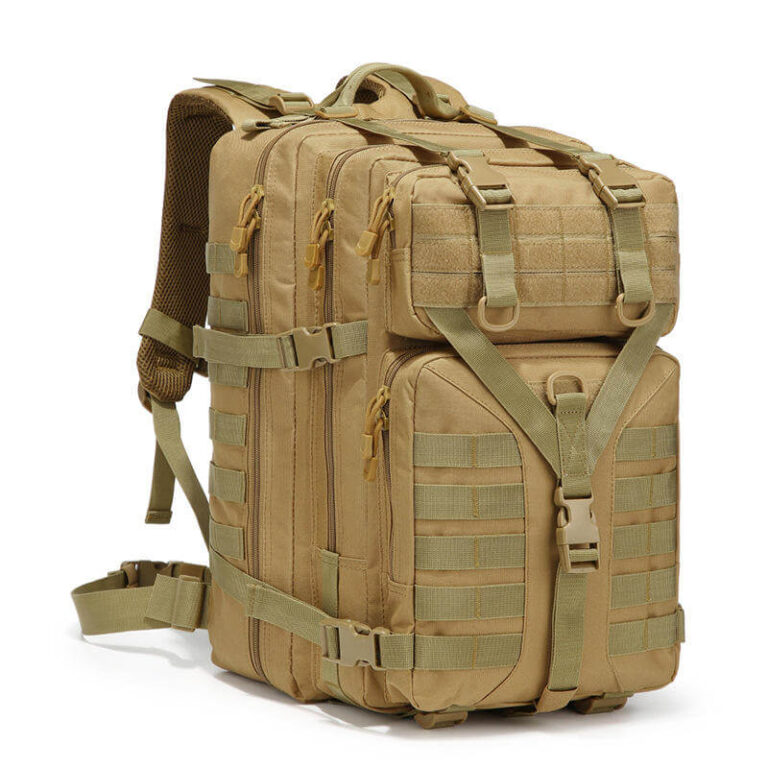
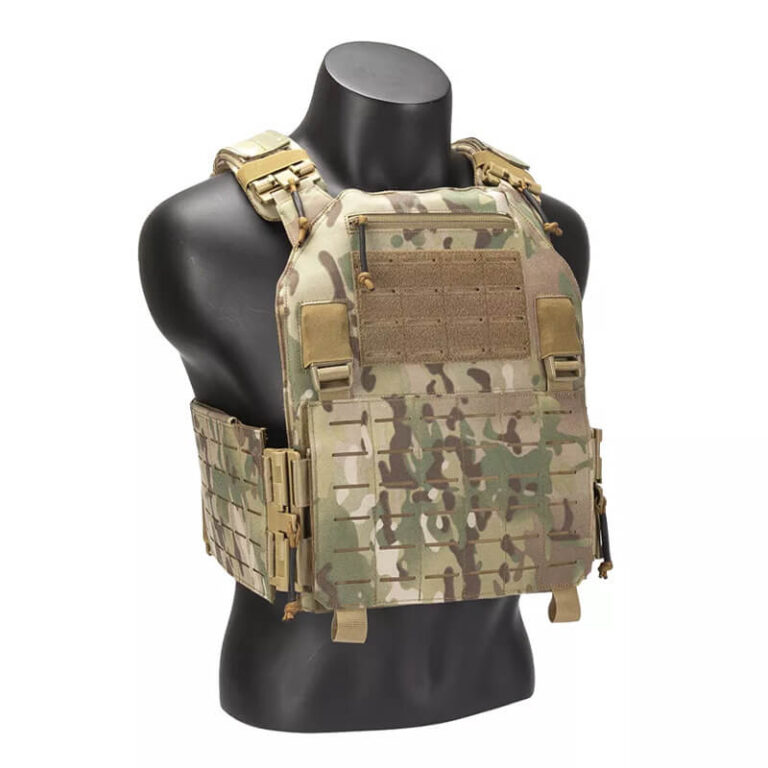
MOLLE/PALS Compatibility: Many tactical garments feature attachment points that allow integration with plate carriers, tactical vests, and other load-bearing systems.
Moisture-Wicking and Breathability: Quality tactical clothing wicks sweat away from your skin and keeps you cool during high-exertion activities.
Frequently Asked Questions About Tactical Clothes for Men
Is tactical clothing only for military or police?
No. While tactical clothing originated in military and law enforcement settings, it is now widely used by hunters, EMTs, outdoor workers, range shooters, and everyday civilians. You don’t need a military background to want pants that don‘t blow out at the seams.
Can I wear tactical clothes as everyday casual clothing?
Yes, absolutely. Many modern tactical pieces are designed to look low-profile, so they blend in like regular chinos, jeans, or button-ups while still giving you better pockets and durability. While built for first responders, many tactical pants for everyday wear offer the same high-performance features in a style suitable for civilian life.
Are tactical clothes stiff or heavy?
Older designs could feel stiff, but modern tactical garments often use stretch fabrics, articulated knees and elbows, and lighter blends to stay comfortable while still being tough.
Should I size up to account for gear or layers?
If you plan to carry gear on a belt or wear base layers, many people go up one size in the waist or choose cuts labeled as “relaxed” or “operator fit” for comfort and mobility.
What’s the difference between tactical pants and regular cargo pants?
Tactical pants usually have stronger stitching, better fabric, more purposeful pocket layouts, and reinforcements at high-wear points, while regular cargo pants focus more on casual style and basic storage. One is for carrying groceries, and the other is for enduring hours in the field, climbing walls, or sprinting.
What fabrics should I look for in tactical clothing?
Common choices include cotton/nylon or polyester blends with added stretch for comfort, plus ripstop or canvas weaves for durability and sometimes water-repellent or quick-dry finishes.
What does “tactical clothing” actually mean?
Tactical clothing is designed to be more durable, functional, and movement-friendly than regular clothes, often with reinforced areas, smart pocket layouts, and tough fabrics for work, training, or outdoor use.
Is tactical clothing the same as a military uniform?
No. Official uniforms follow strict rules on colors, patterns, and insignia, while civilian tactical clothing is inspired by those features but is made for general use and has no rank or unit markings.
How to Choose the Right Tactical Clothes for Your Needs
With so many options on the market, choosing the right tactical clothes can feel overwhelming. Here’s a simple framework to guide your decision:
1. Consider Your Primary Use: Will you be using your tactical clothes for work, outdoor adventures, range shooting, or everyday wear? Your answer will determine which features matter most.
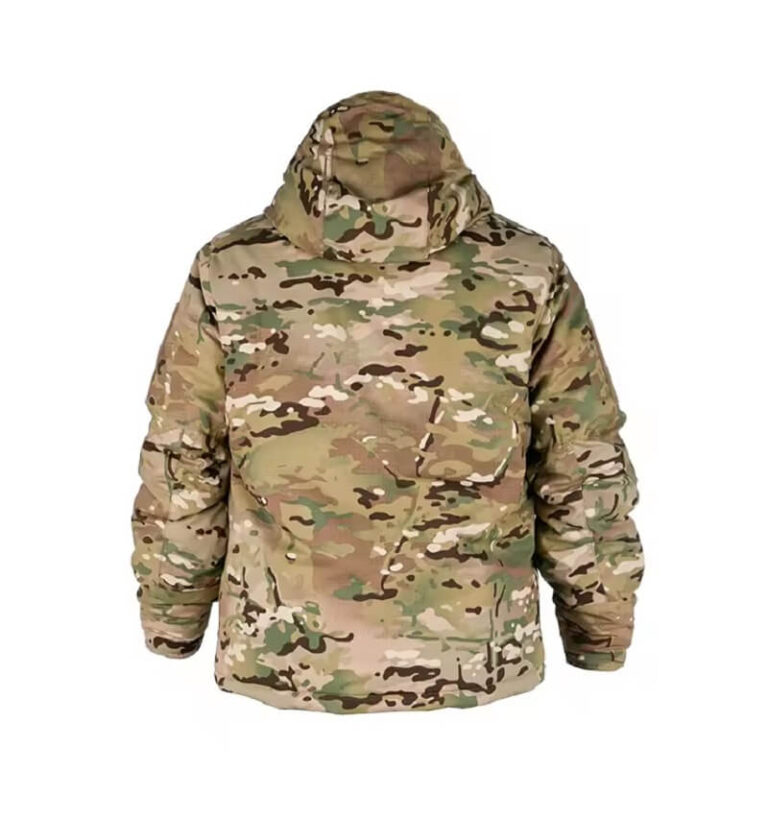
2. Evaluate Your Environment: Will you be in hot, humid conditions? Look for moisture-wicking and breathable fabrics. Cold weather? Consider layers and insulation. Wet conditions? Look for DWR treatments or waterproof membranes.
3. Think About Your Activity Level: High-output activities require breathable fabrics and articulated construction for full range of motion. For low-activity scenarios, durability and storage may take priority.
4. Determine Your Storage Needs: What gear do you need to carry? If you‘re carrying magazines, radios, or medical kits, look for garments with specialized pockets or MOLLE compatibility.
5. Check for Quality Construction: Look for YKK zippers, reinforced stitching, and quality materials like ripstop fabric. These details determine how long your gear will last.
Men‘s tactical clothes have evolved far beyond their military origins. Today, they are worn by law enforcement officers, outdoor enthusiasts, security professionals, and everyday guys who simply appreciate clothing that works as hard as they do. The key is understanding what makes clothing truly tactical—and choosing pieces that match your specific needs.
From ripstop fabrics and reinforced stitching to intelligent pocket layouts and moisture-wicking materials, the best tactical clothes are built to last. And when you choose a manufacturer like Shenzhen Zhongke Shangyu Company Limited, you’re choosing quality that you can rely on, shift after shift, adventure after adventure.
Ready to upgrade your wardrobe? Explore what Shenzhen Zhongke Shangyu has to offer—and experience the difference that true tactical craftsmanship makes.